Clare Milner PhD
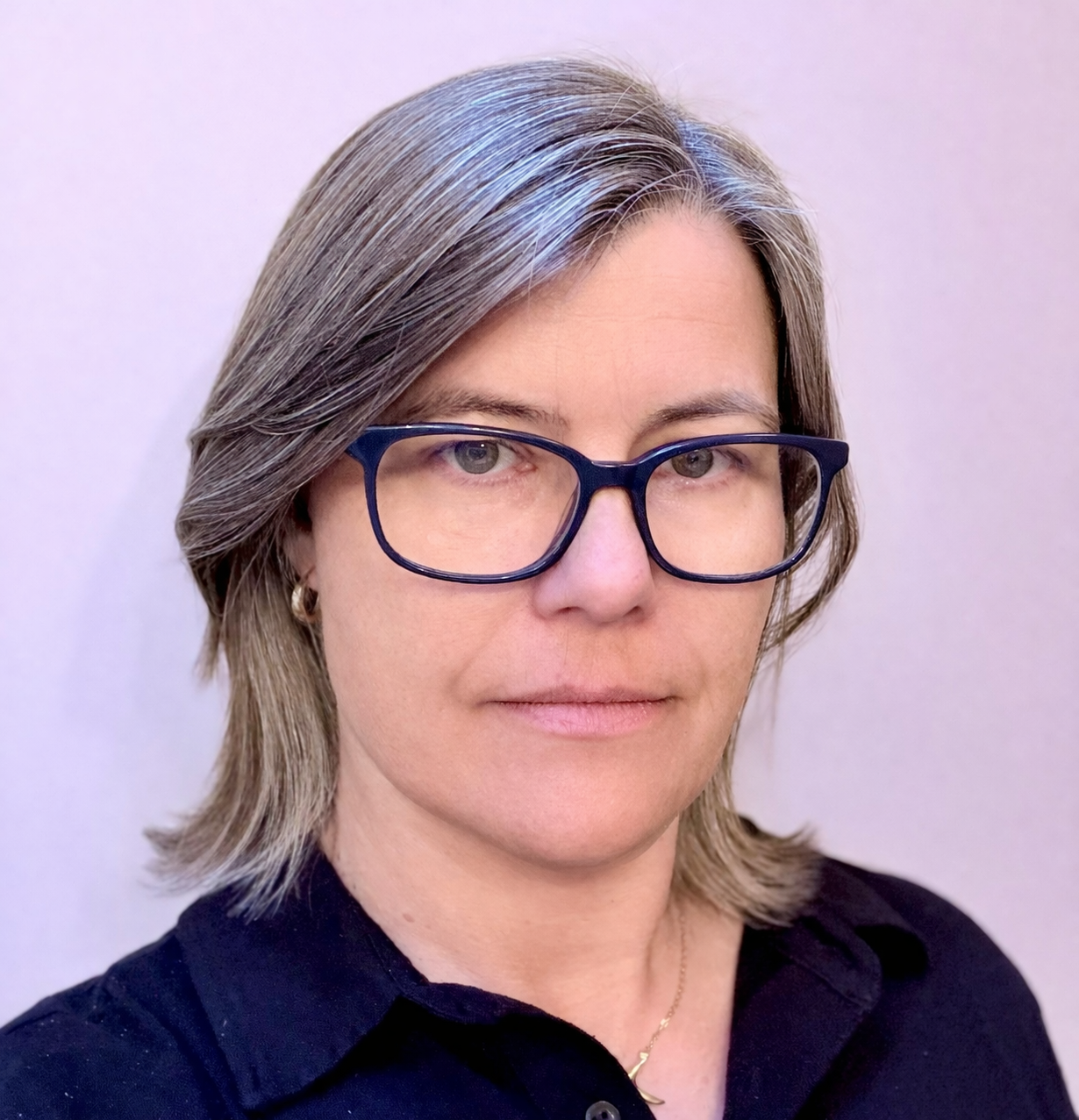
I am an Associate Professor at Drexel University, Director of the Gait and Movement Biomechanics Research Laboratory, and a Fellow of the American College of Sports Medicine (FACSM) and American Society of Biomechanics (FASB).
My research focuses on understanding what affects people's ability to move freely and independently in the activities and environments that matter to them. I use biomechanics and complementary approaches to identify factors that can help maintain, improve, or restore movement independence.
My work is grounded in rigorous study design and precise measurement, while incorporating increasingly realistic movement challenges to ensure that what we learn is relevant to how people move in the real world.
Research Leadership & Impact
Over more than 20 years, I have authored 60+ peer-reviewed publications cited more than 5,000 times. I lead collaborative research and mentor graduate students and emerging scientists in human movement biomechanics. I also contribute to the field through scientific and editorial leadership, including prior service as an Associate Editor for Medicine & Science in Sports & Exercise.
Research Approach & Technical Expertise
Human Movement Biomechanics
Three-dimensional motion analysis, kinetics, muscle activity, and integrated biomechanical assessment of walking, running, and other human movement.
Rigorous Measurement & Study Design
Experimental design, measurement reliability and validity, signal processing, and quantitative analysis, with an emphasis on measurement precision and meaningful interpretation of biomechanical data.
Laboratory & Real-World Measurement
Laboratory-based biomechanical measurement, realistic movement challenges, wearable sensors, and validated field-based approaches for studying movement beyond conventional laboratory tasks.
Movement Matters
Vision
Contributing to a future where people can move freely and independently
in the activities and environments that matter to them.
Mission
To advance understanding of human movement and generate knowledge
that helps identify opportunities to maintain, improve, or restore movement independence.
Clare Milner, PhD, FACSM, FASB
Department of Physical Therapy and Rehabilitation Sciences
Drexel University, Philadelphia PA, USA